
Introducing sketchbooks made entirely from reclaimed papers!
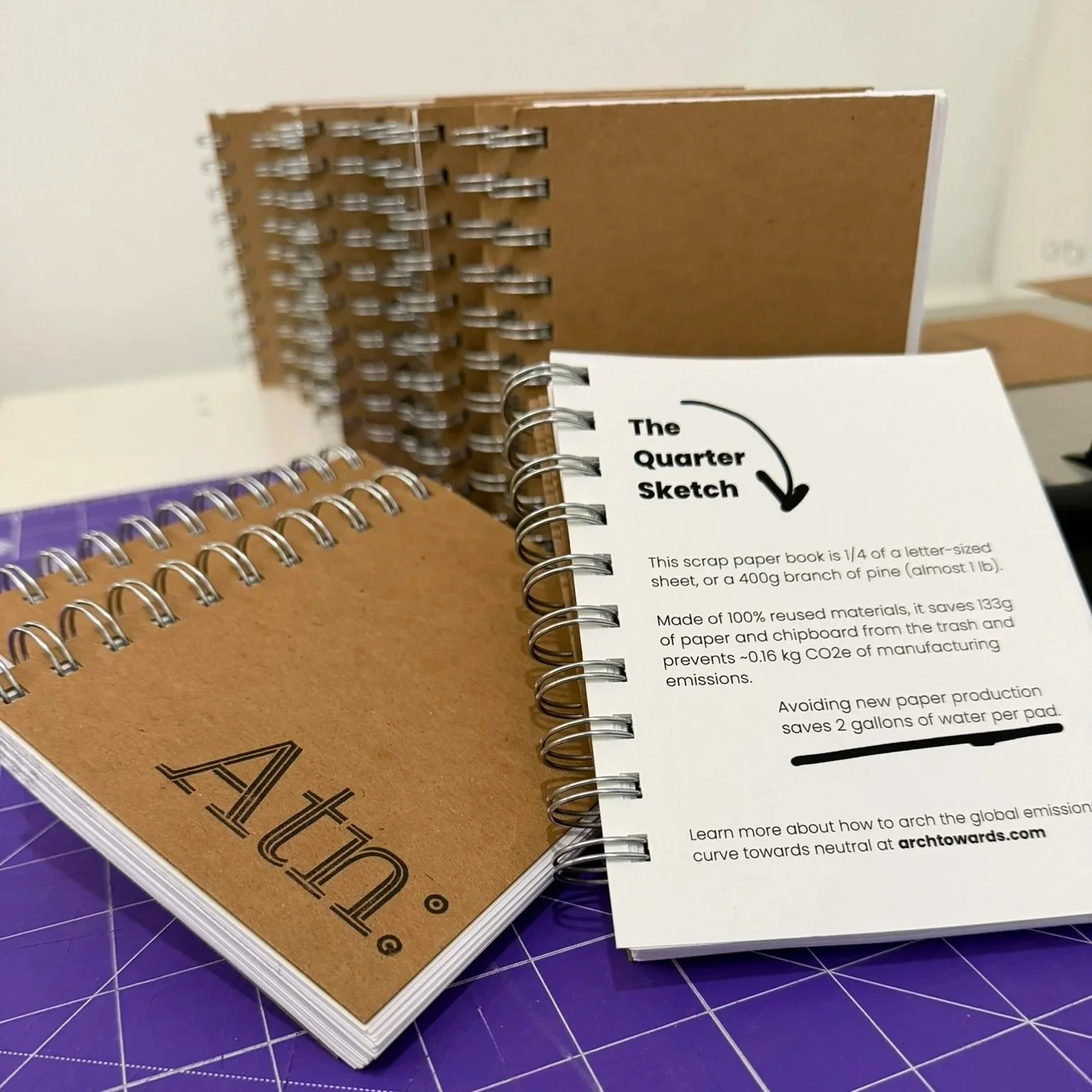
Architects love a good sketchbook. A blank page to jot notes or doodle an idea. We often tote these little books around, even boasting them as our designer accessory–most of us have had a Moleskine or Rhodia at some point. Am I right?
Enter, The Quarter Sketch! We've reinvented this small accessory as the new virtue signal that’s actually ⭐virtuous⭐.
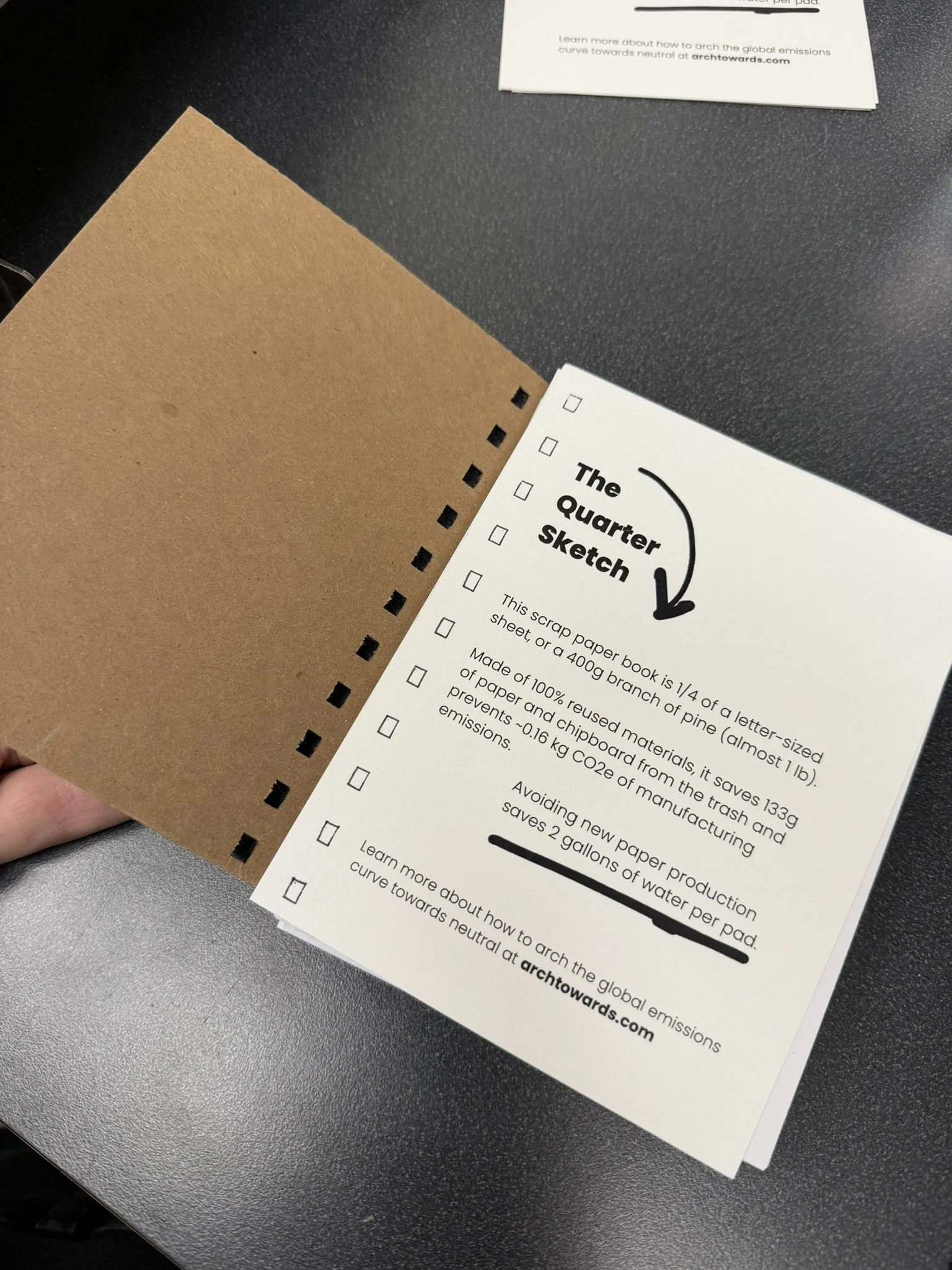
This scrap paper book is 1/4 of a letter-sized sheet representing 400g of pine (almost 1 lb) that would’ve been needed to make new.
Made of 100% reused paper, each sketchbook saves 133g of paper and chipboard from the trash and prevents ~0.16 kg CO2e of manufacturing emissions.
Avoiding new paper production saves two gallons of water per book.
If 100 of these books were in circulation in place of virgin material equivalents, it would be as if one 40-foot-tall pine were still standing in the forest.
Impact like this is easy to adopt and done at scale can make meaningful change.
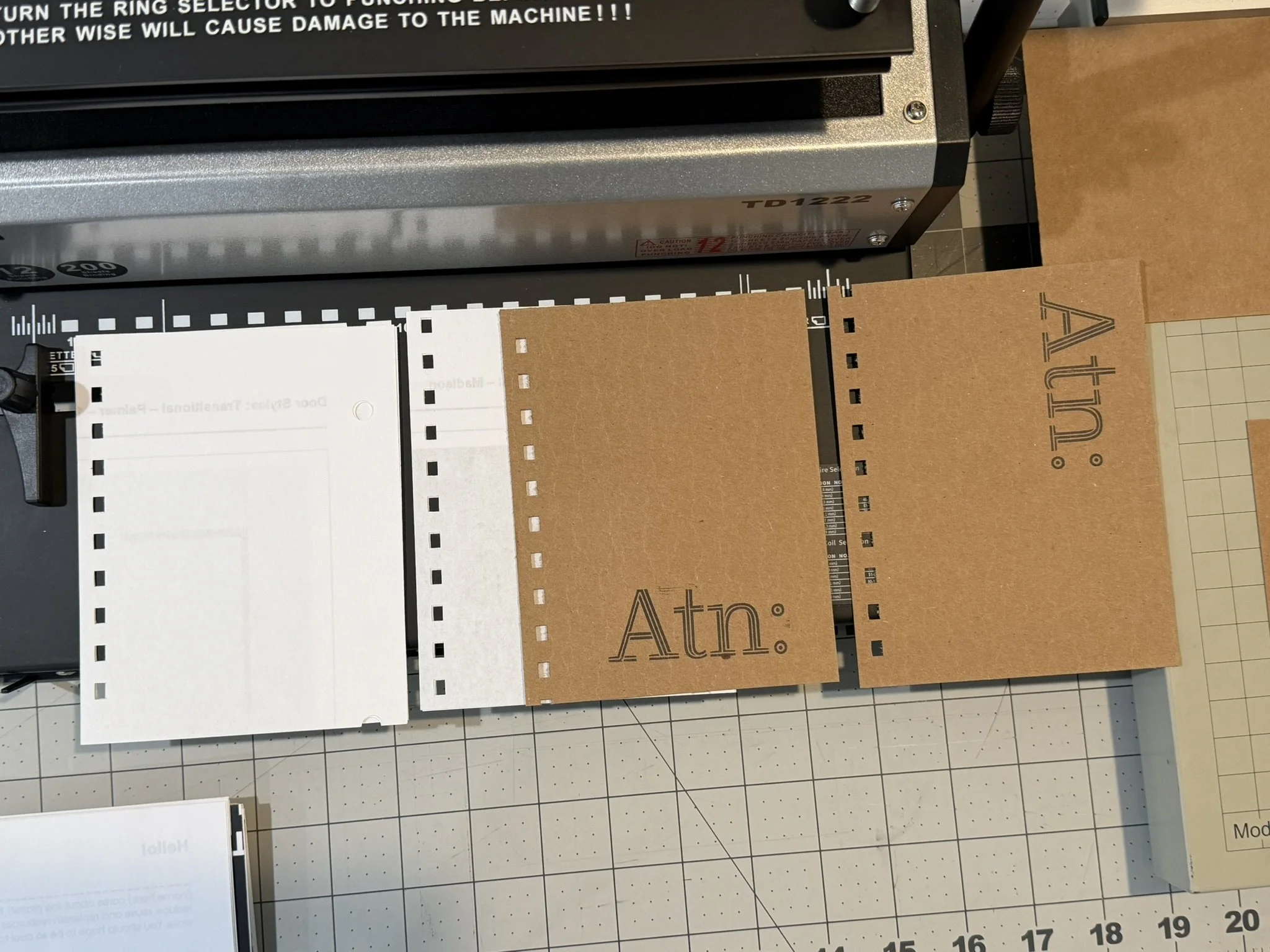
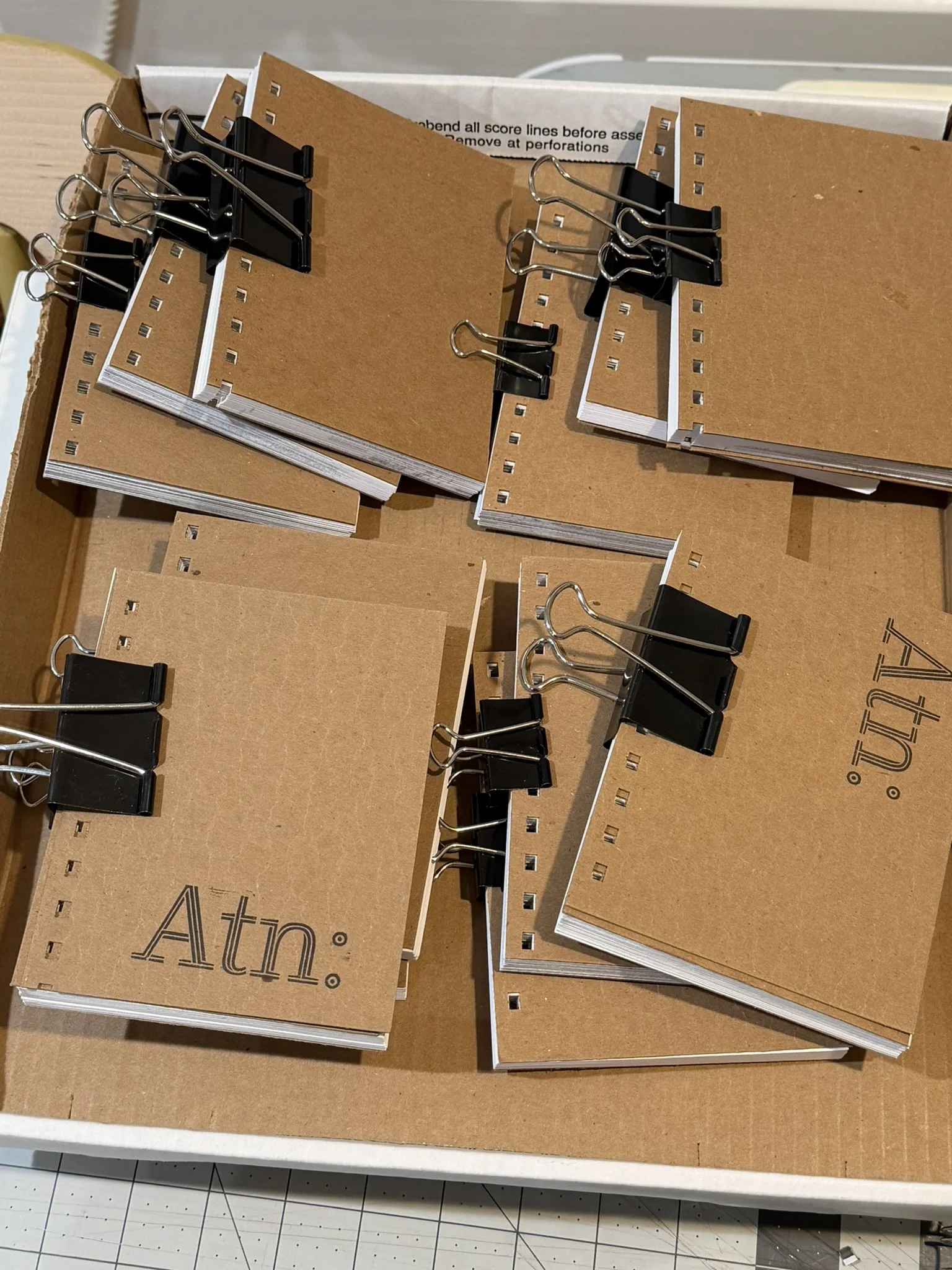
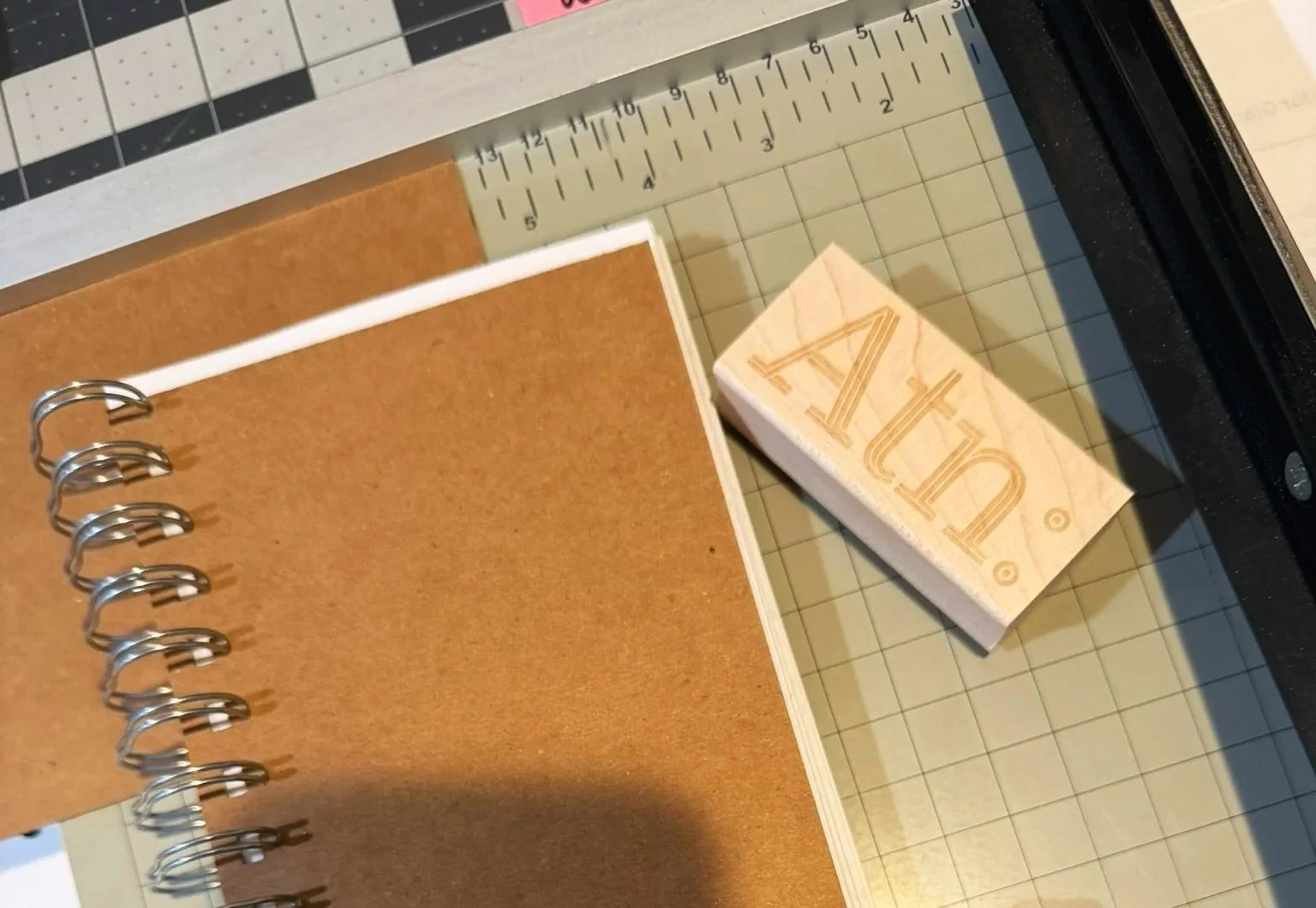
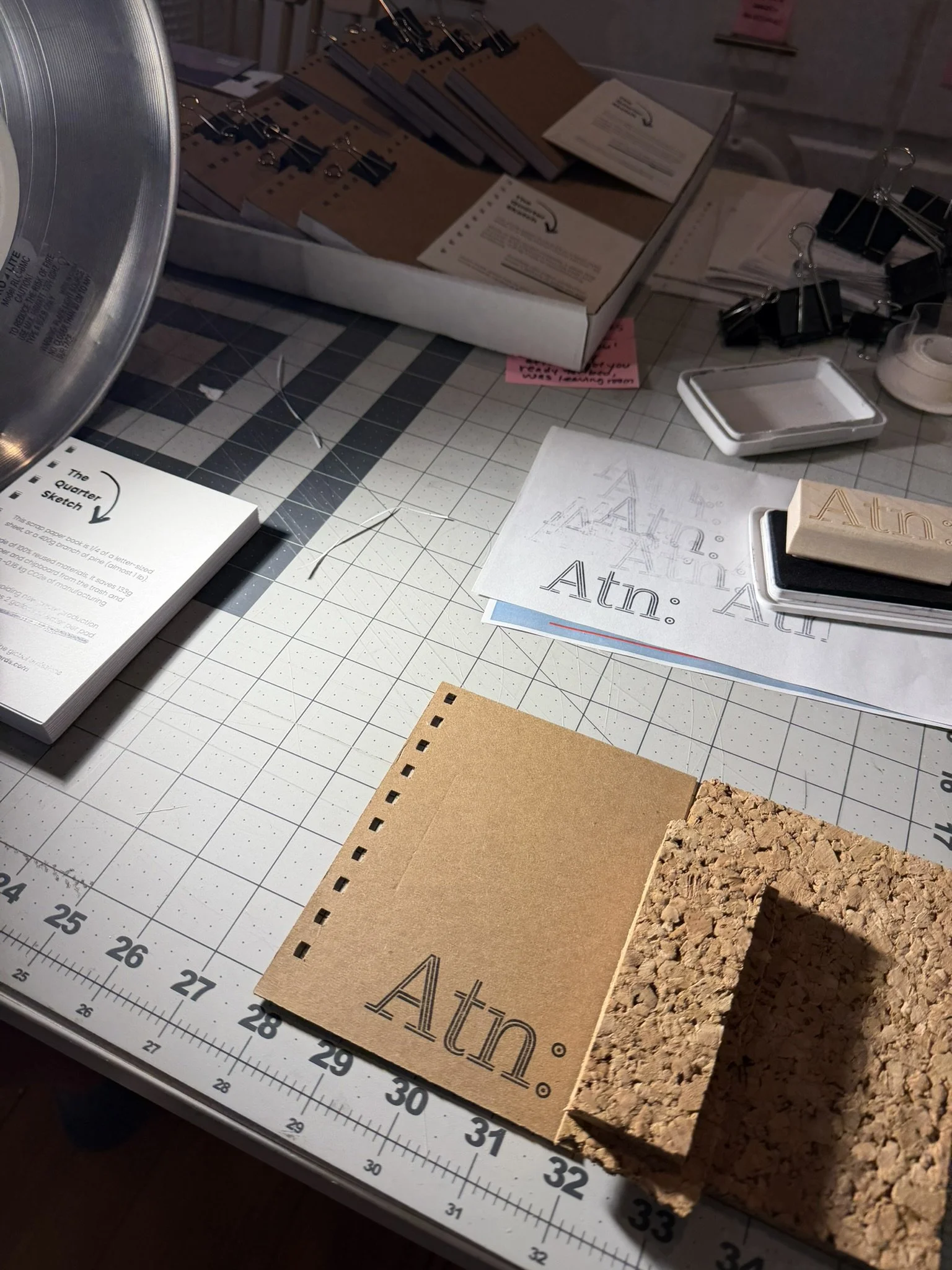
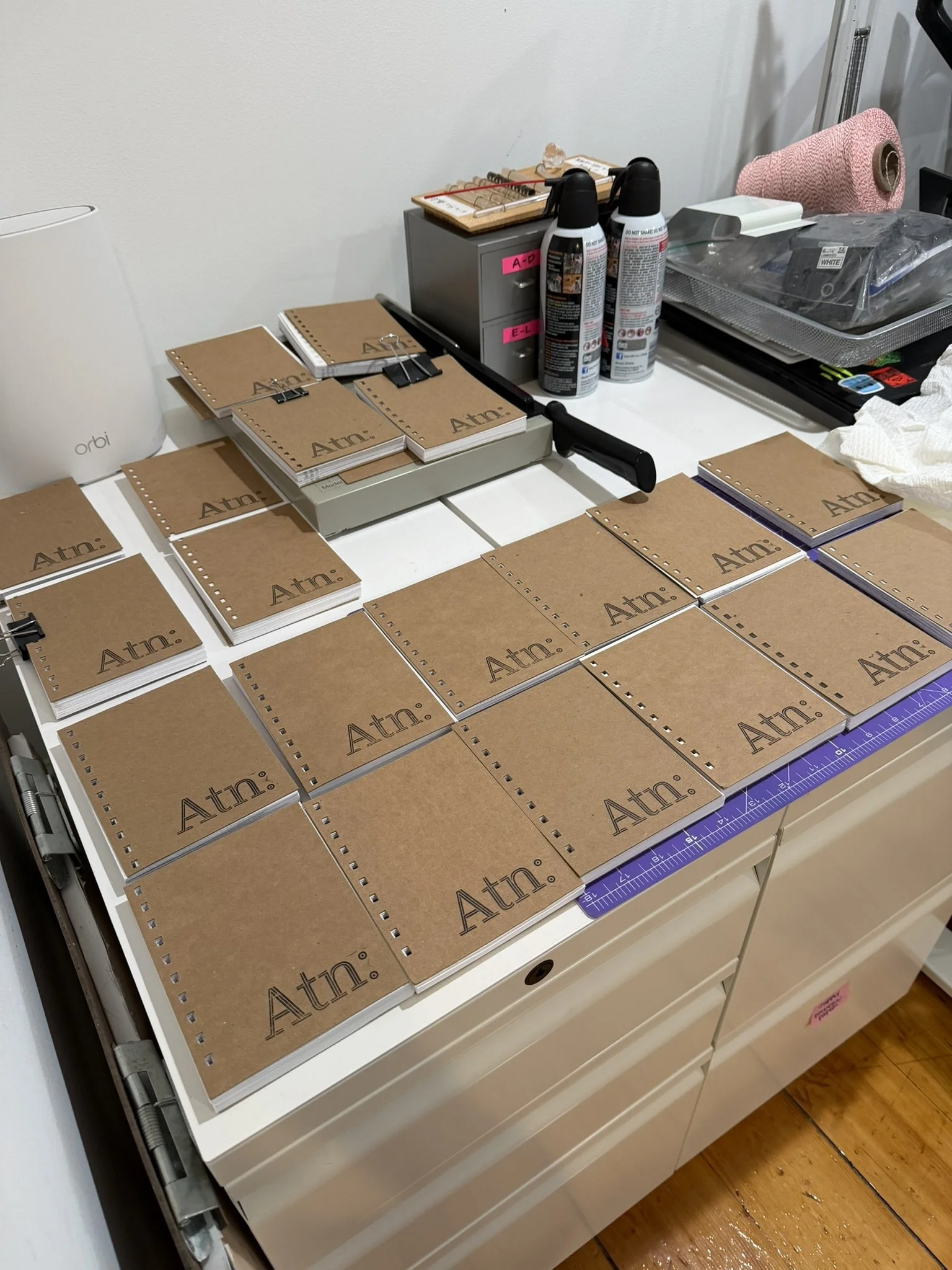
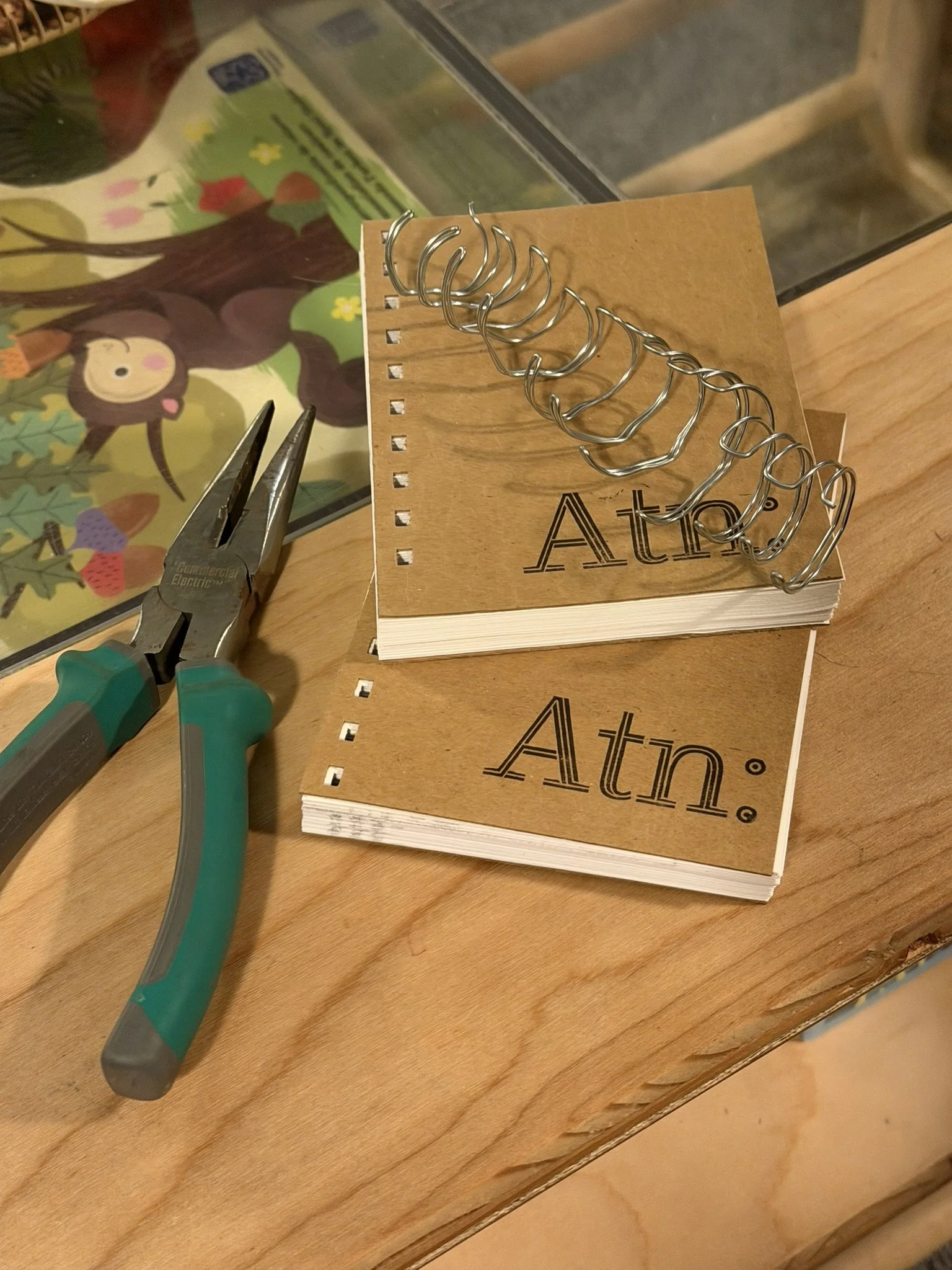
How they’re made
It seems one-side printing has never gone out of style, and collecting hundreds of pages of copy paper with nothing on the back is relatively easy. Next, chipboard from mailers is collected as covers, which takes a bit longer to accumulate.
In full production mode it takes about 15 minutes to cut, punch, and trim 100 pages for a single sketchbook.
The covers are processed in the same method. We invested in a rubber stamp with our logo to use for these books and future collateral – so the inputs to make that are excluded in our calculation. Rubber stamp ink is incrementally better than toner to print on the covers.
Page inserts are printed on paper older than anyone who is reading this blog. Then cut and punched the same way.
When everything is weighed out then stacked, the pages are easily thread onto a raw wire coil. We elected for silver to avoid painted coils – leave the plastic out, please! The coils are cut in half (10 coils for the top and 11 for the bottom) then crimped in the same manual binding machine.
For the inaugural run of 20 books, a total of around 10 hours of labor was spent. And substantially more hours of brain power!
The transparency
While we are in the field of architecture and sustainability that uses acronyms like EPD and LCA without batting an eye (environmental product declaration and life-cycle analysis) we have not yet become an expert in all things carbon calculating. There are many tools and professionals who wield them to help with detailed reports for your next LBC project (living building challenge).
Therefore, we committed the cardinal sin, and used AI to calculate the water savings. No, the irony is not lost on us.
Below is a synopsis of that research and output from the machine. We know enough to review and direct, but for the experts out there, this is for you: What are we, and our AI direction, missing? Does the math stand up?
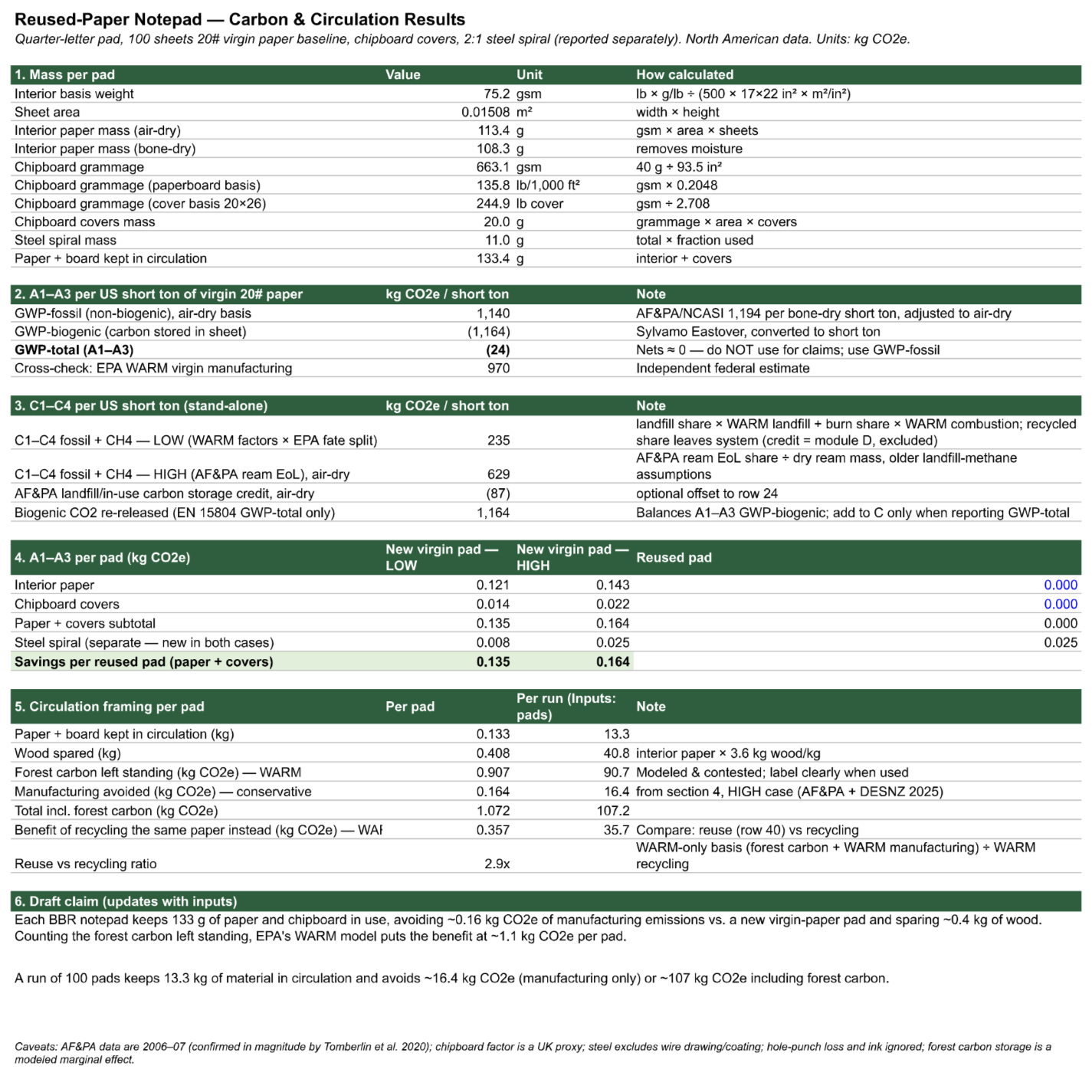
If you want to see tabs 2 -4, send us a message. We are genuinely interested to learn more about the accounting from a meat-proxy.