

The Bio-based Building Material Library contains current commercially available solutions to building high performance

Bio-based Building Materials
-
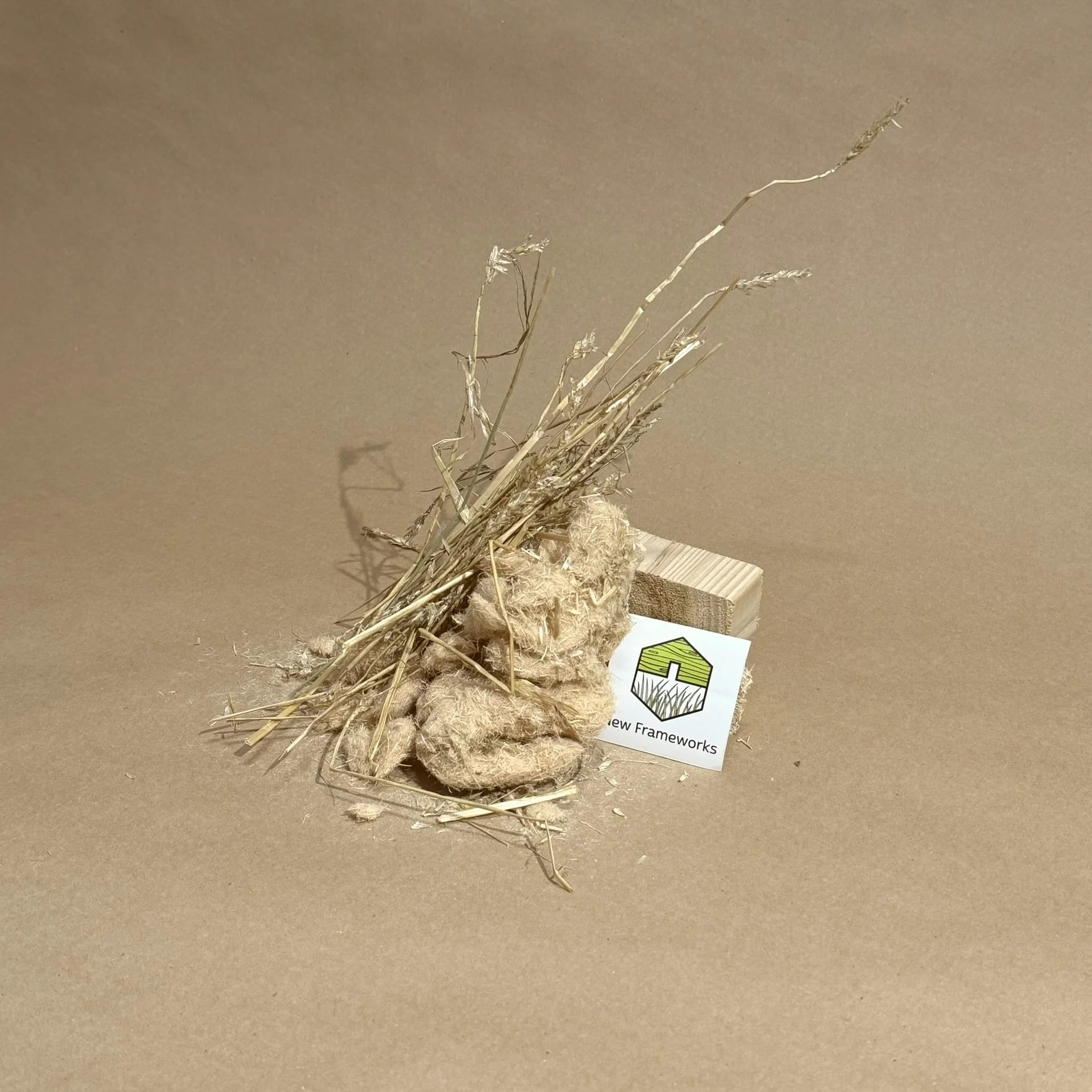
Straw from Nitty Gritty
Organic grown building block for New Frameworks structural straw panels.
-
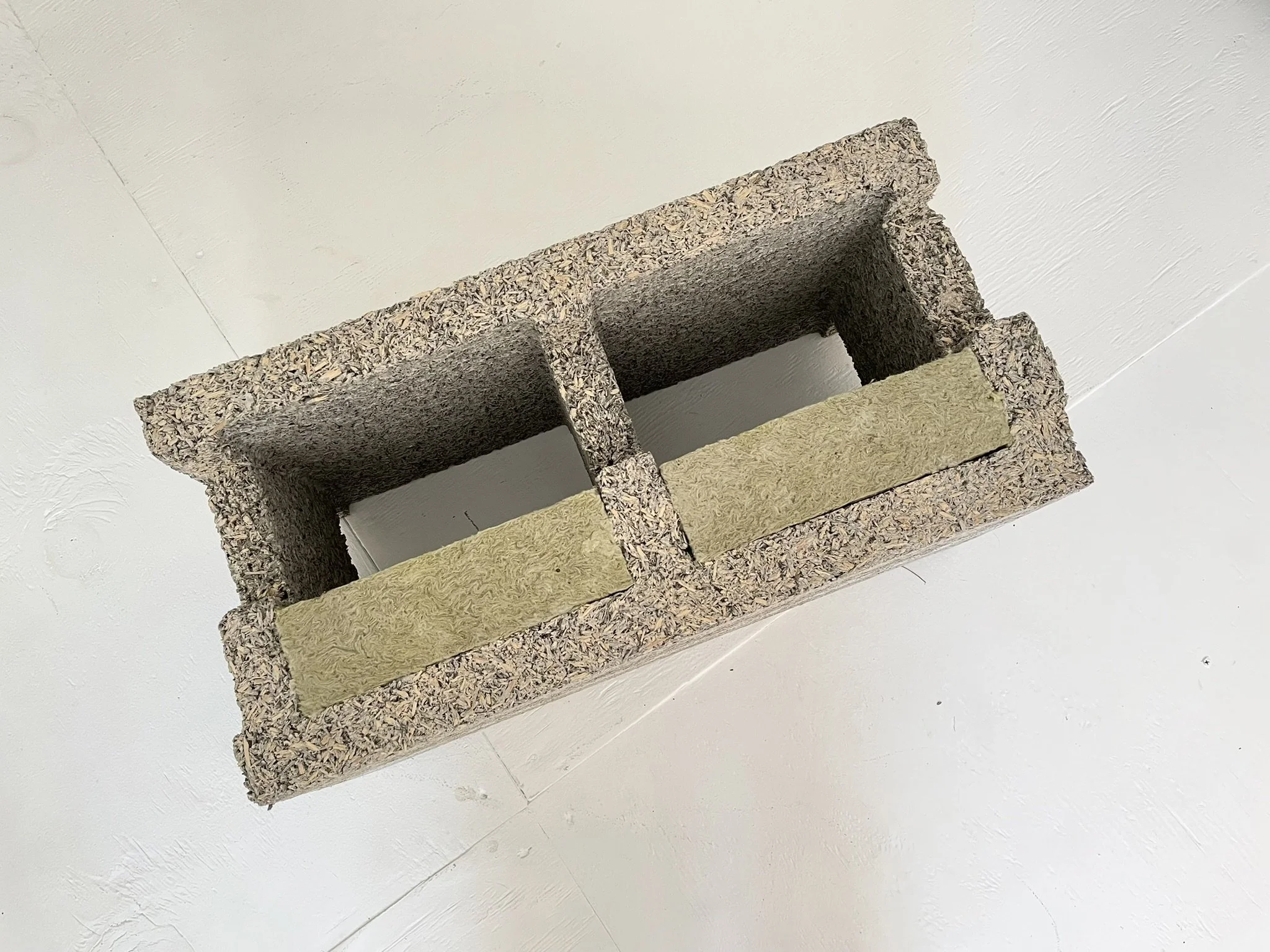
Nexcem ICF
Insulated concrete formwork made of hempcrete and roxwool
-
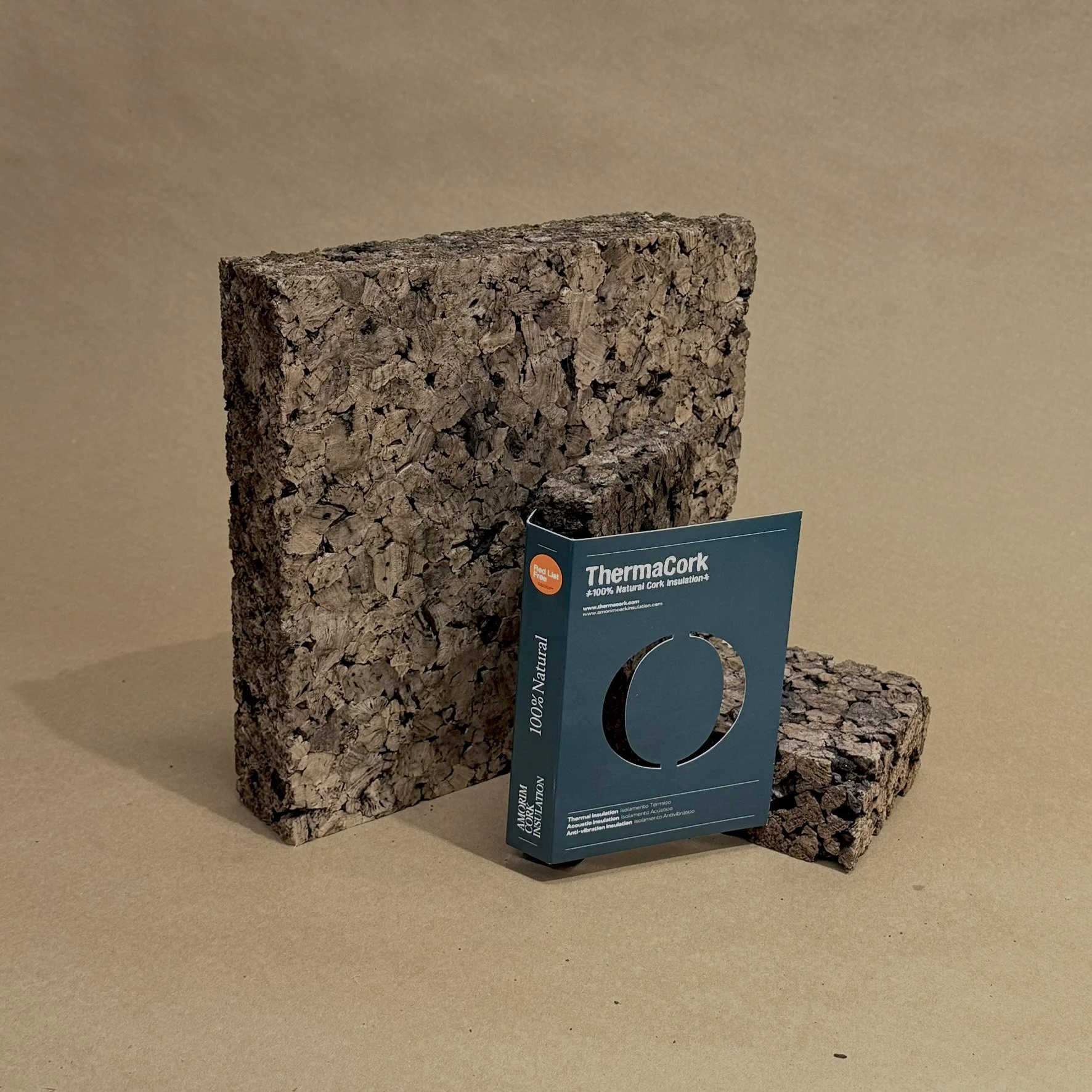
Thermacork
Expanded cork insulation boards for sub-slab, facades, wall assemblies and decroative applications
-
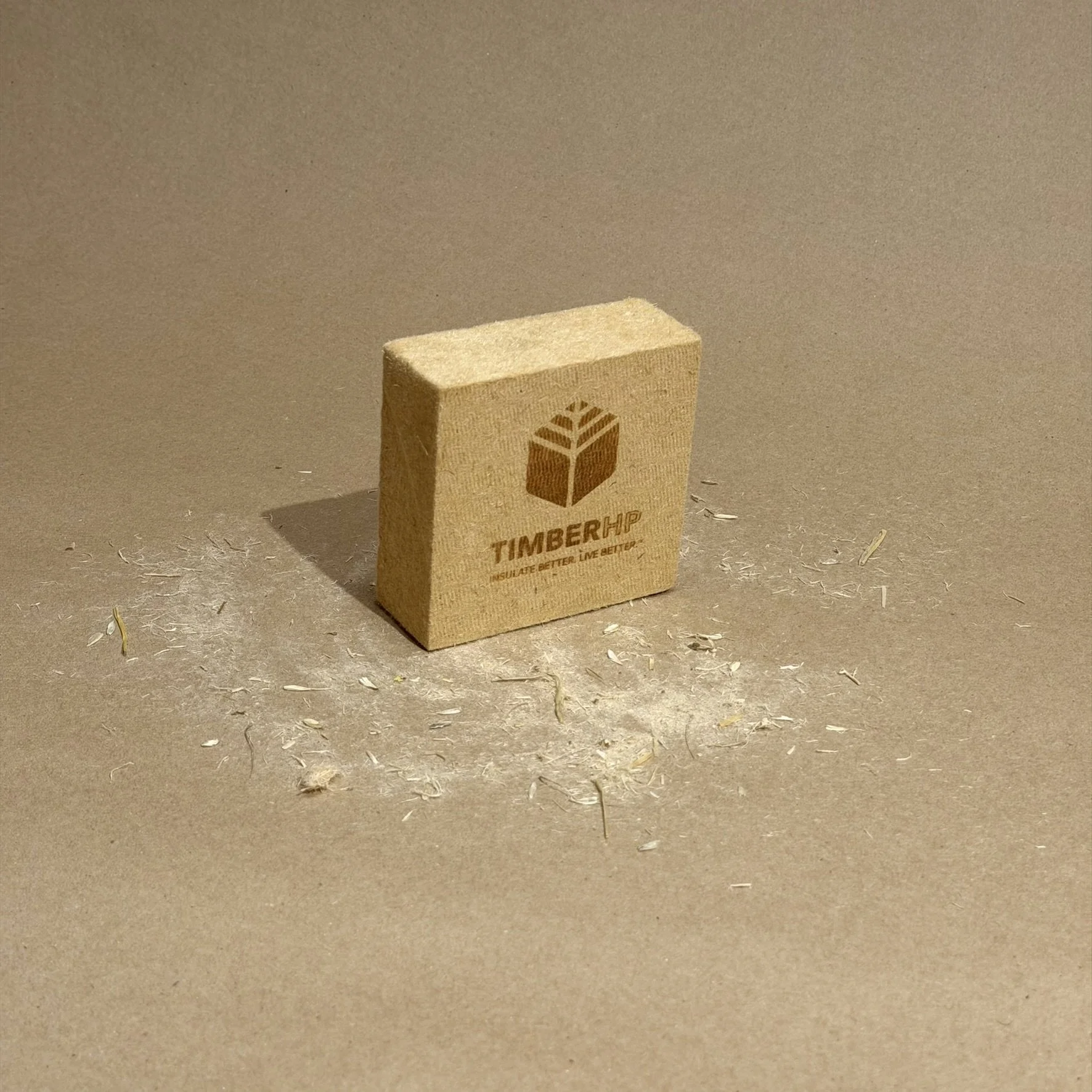
TimberBoard
TimberBoard wood fiber Rigid Exterior Continuous Insulation:
R-Value R-3.4 — R-3.7 / inch
-
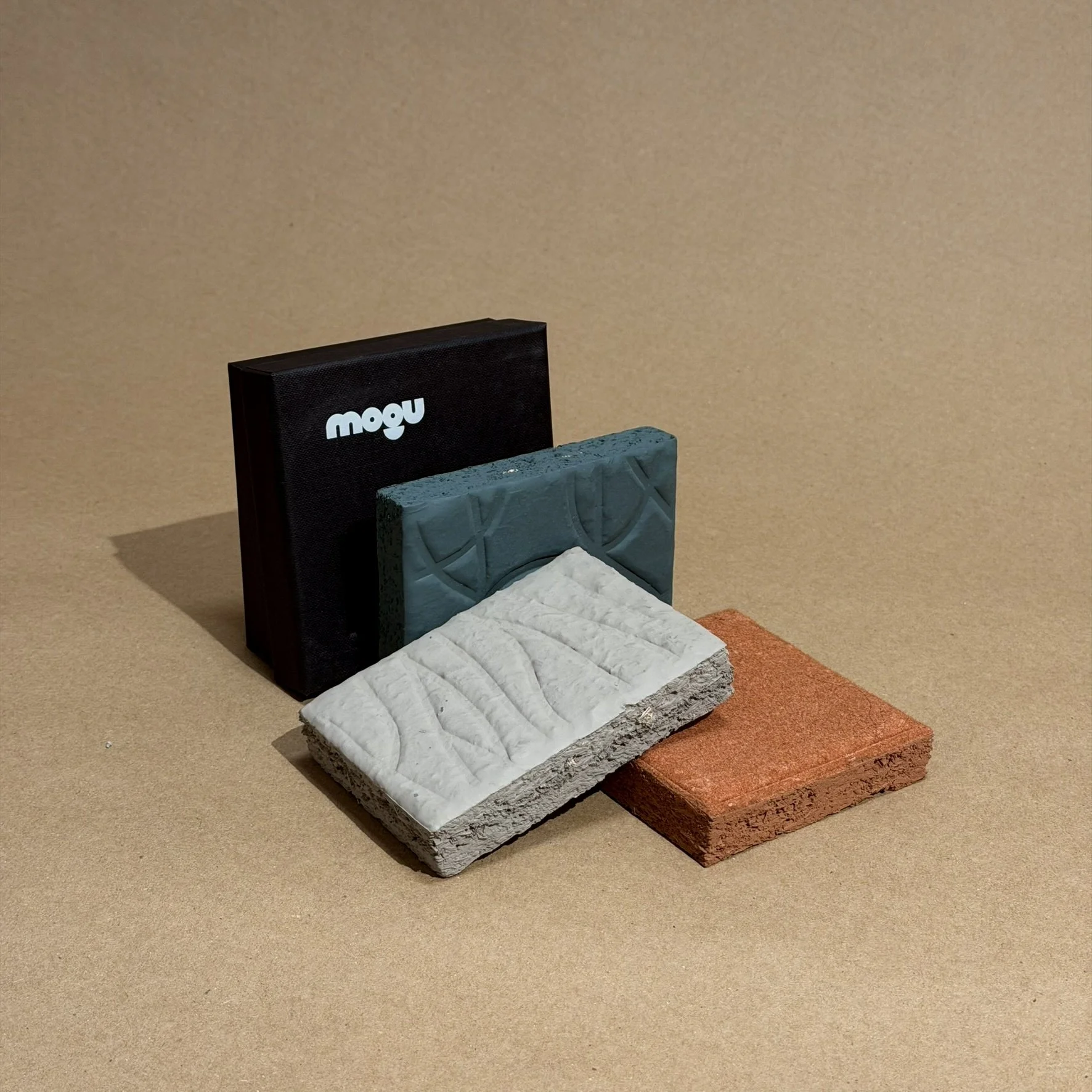
Mogu Acoustic Panel
Bio-based mycelium acoustic panels for 100% circular and regenerative design. Rep: Habitat Matter
-
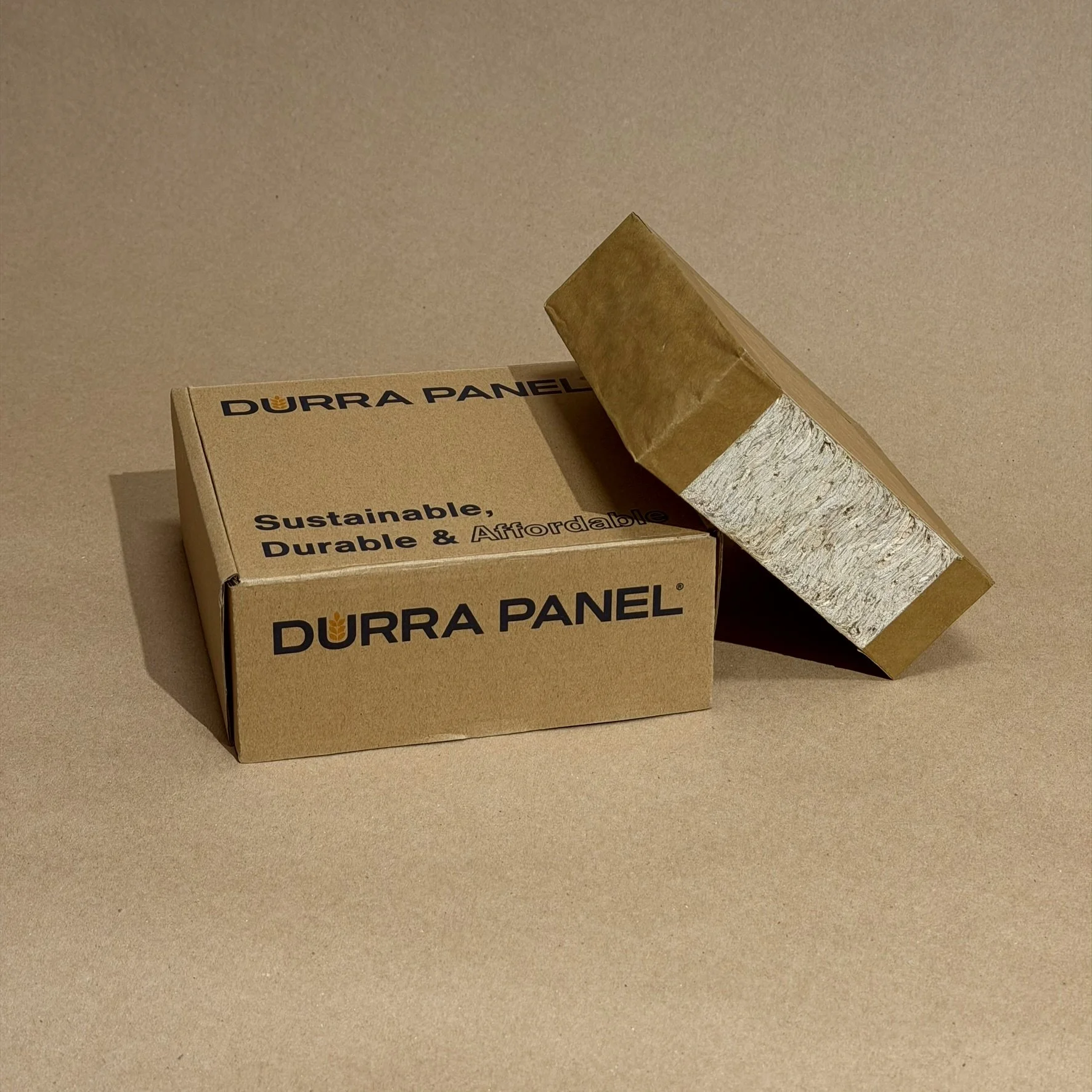
Durra Panel
Durra Panel is a fully-certified compressed straw wall and ceiling panel that insulates against sound and heat while being stronger, safer, and superior to plasterboard.
-
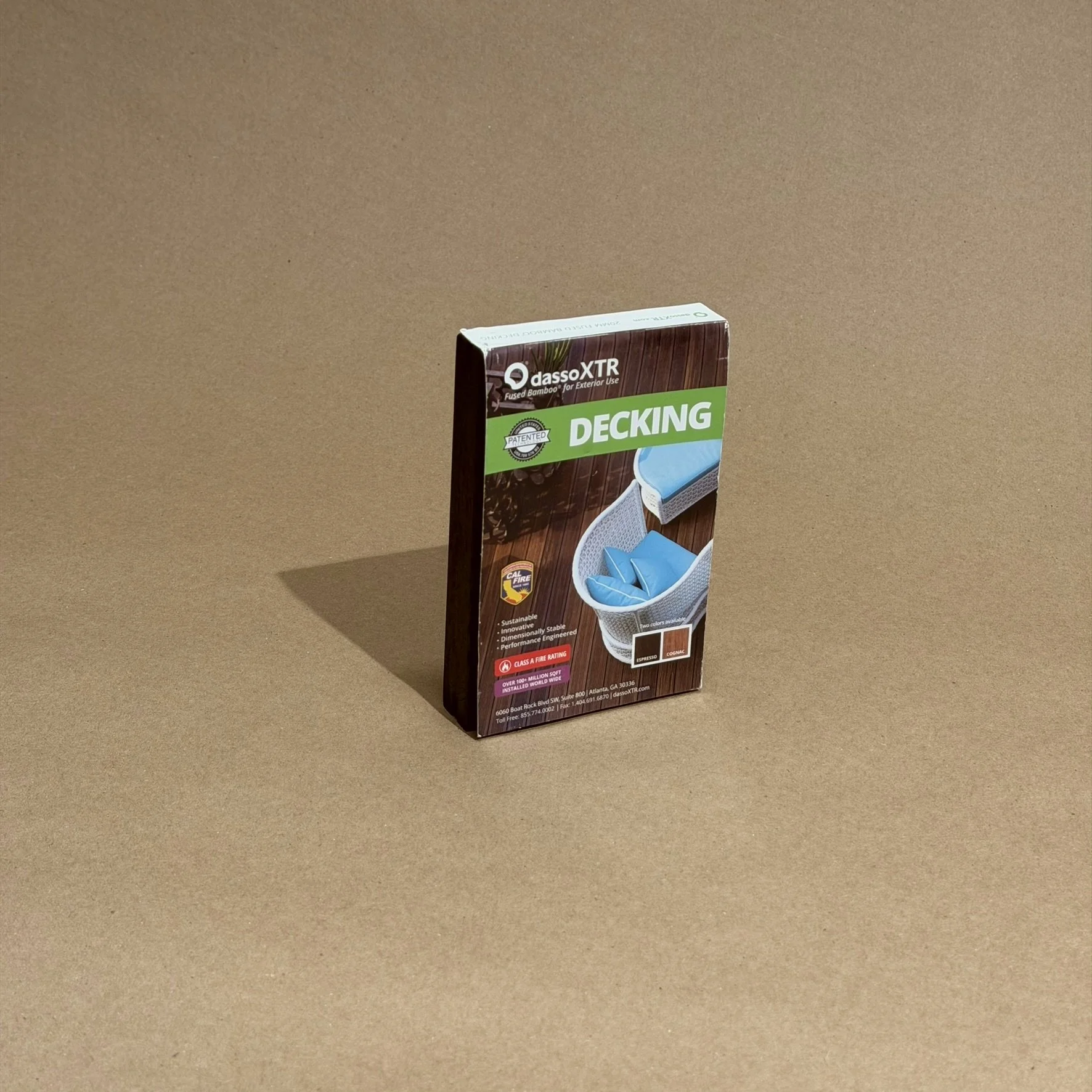
dasso XTR
Bamboo Outdoor Decking. Thermally fused Moso Bamboo (Phyllostachys Pubescens) and phenolic resin.
-
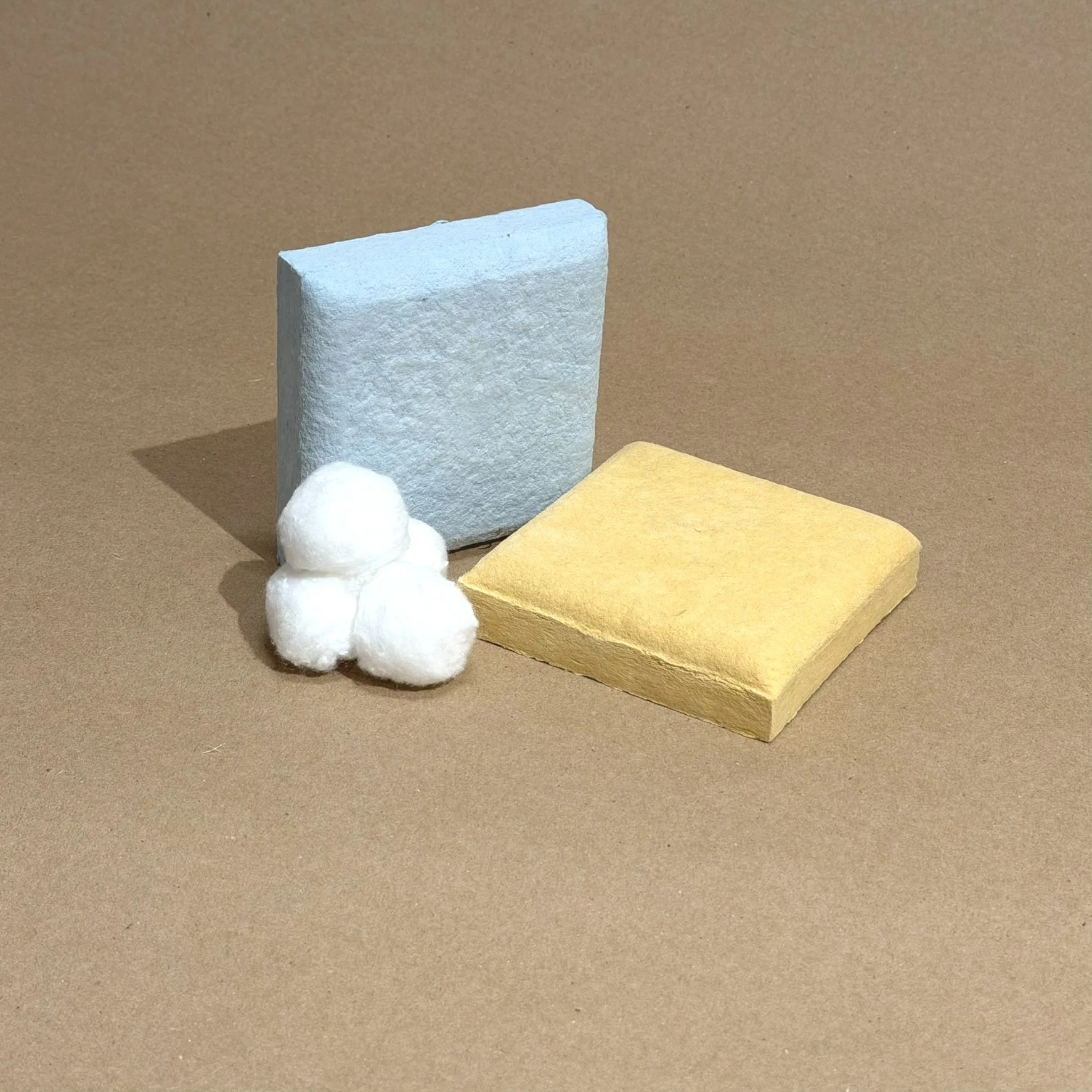
ARCHISONIC® Cotton
Harnesses the potential of cotton cellulose, a by-product of the cotton industry that would otherwise go to waste, along with other natural materials, without the use of harmful synthetic binders and chemicals.
-
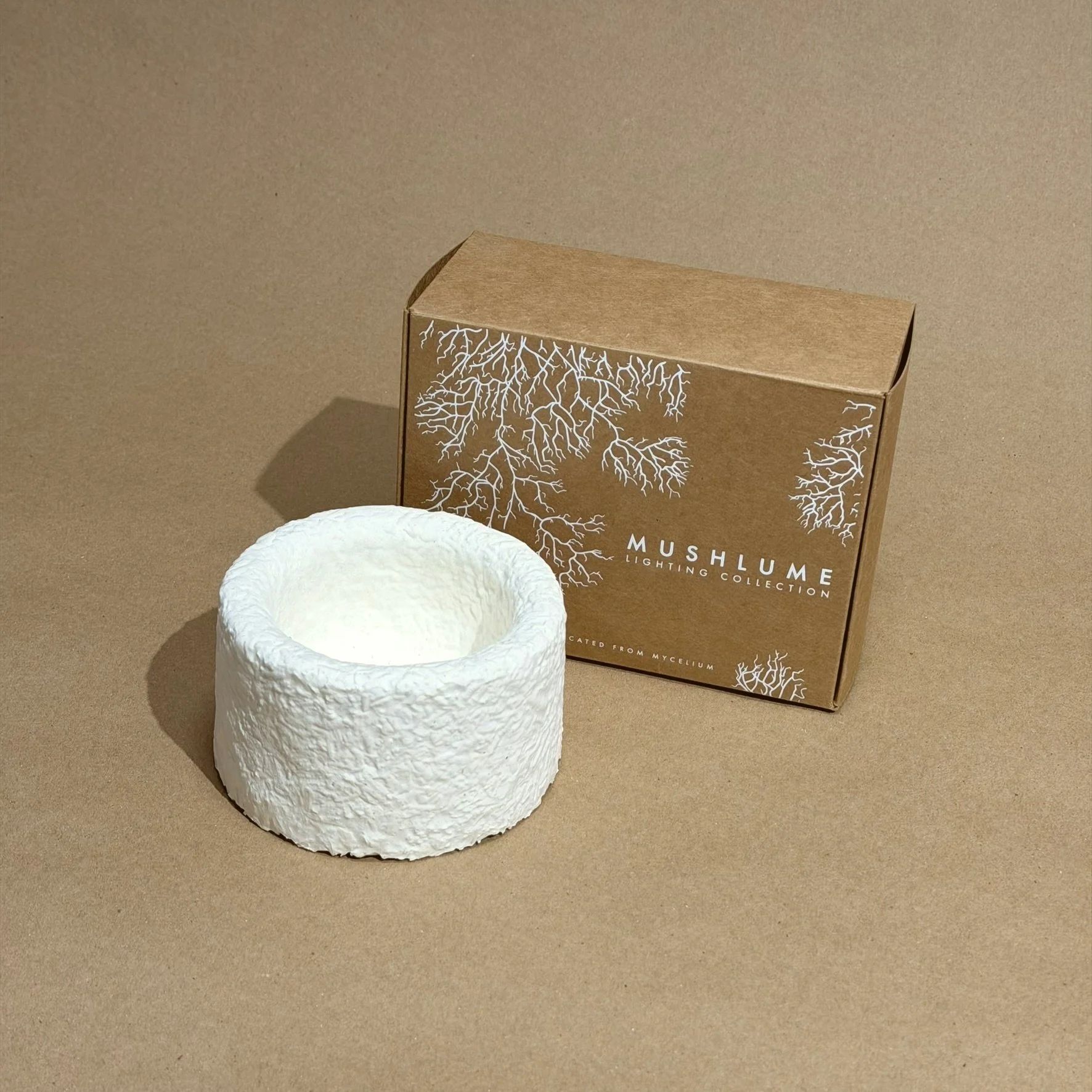
MushLume Lighting
Grown, Not Manufactured.
Sustainable lighting using mushroom mycelium and carbon-sequestering hemp
-
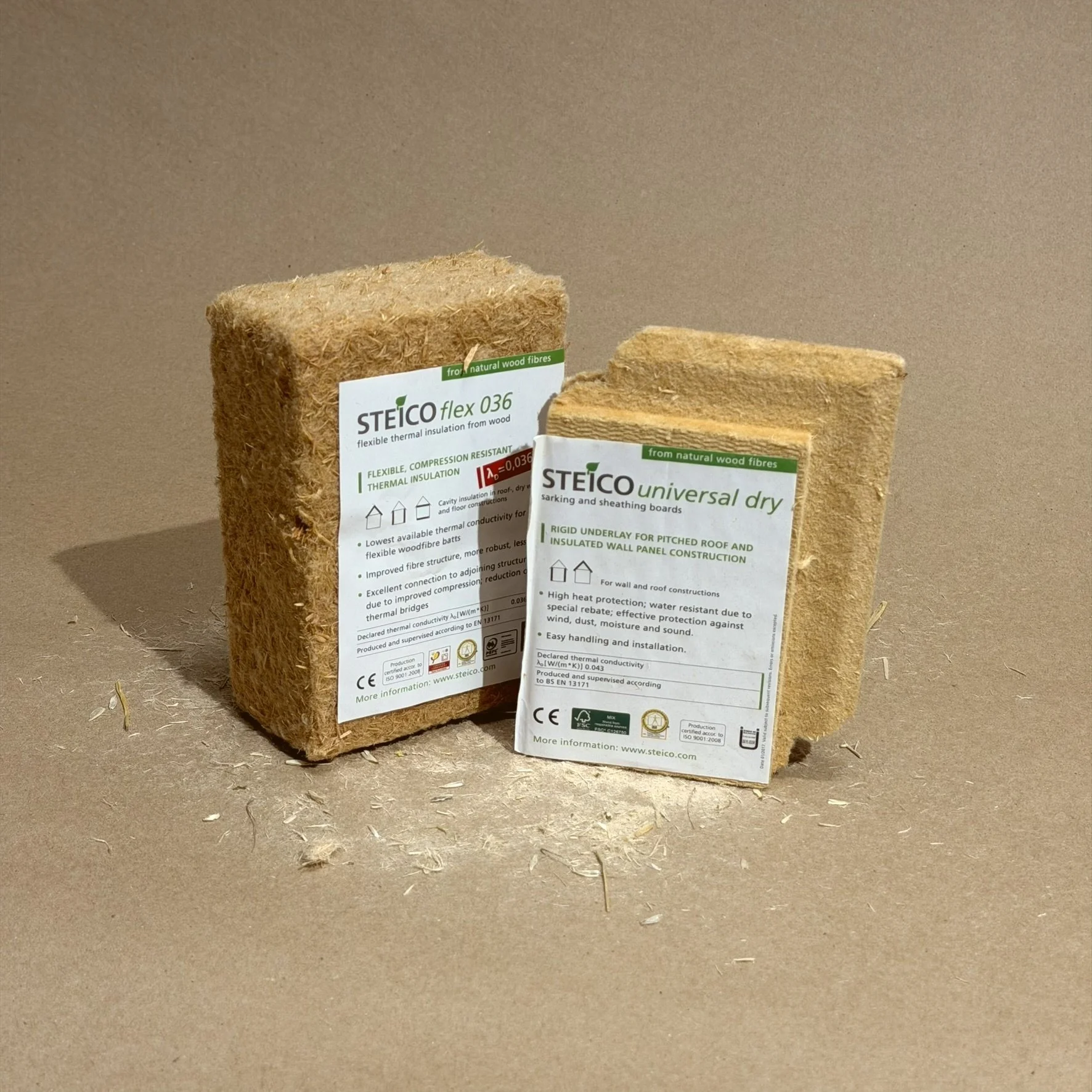
Steico Insulation
For more than 35 years, STEICO has been refining the natural material wood into innovative high-tech materials for timber construction. While retaining the positive properties of wood as a natural product.
-
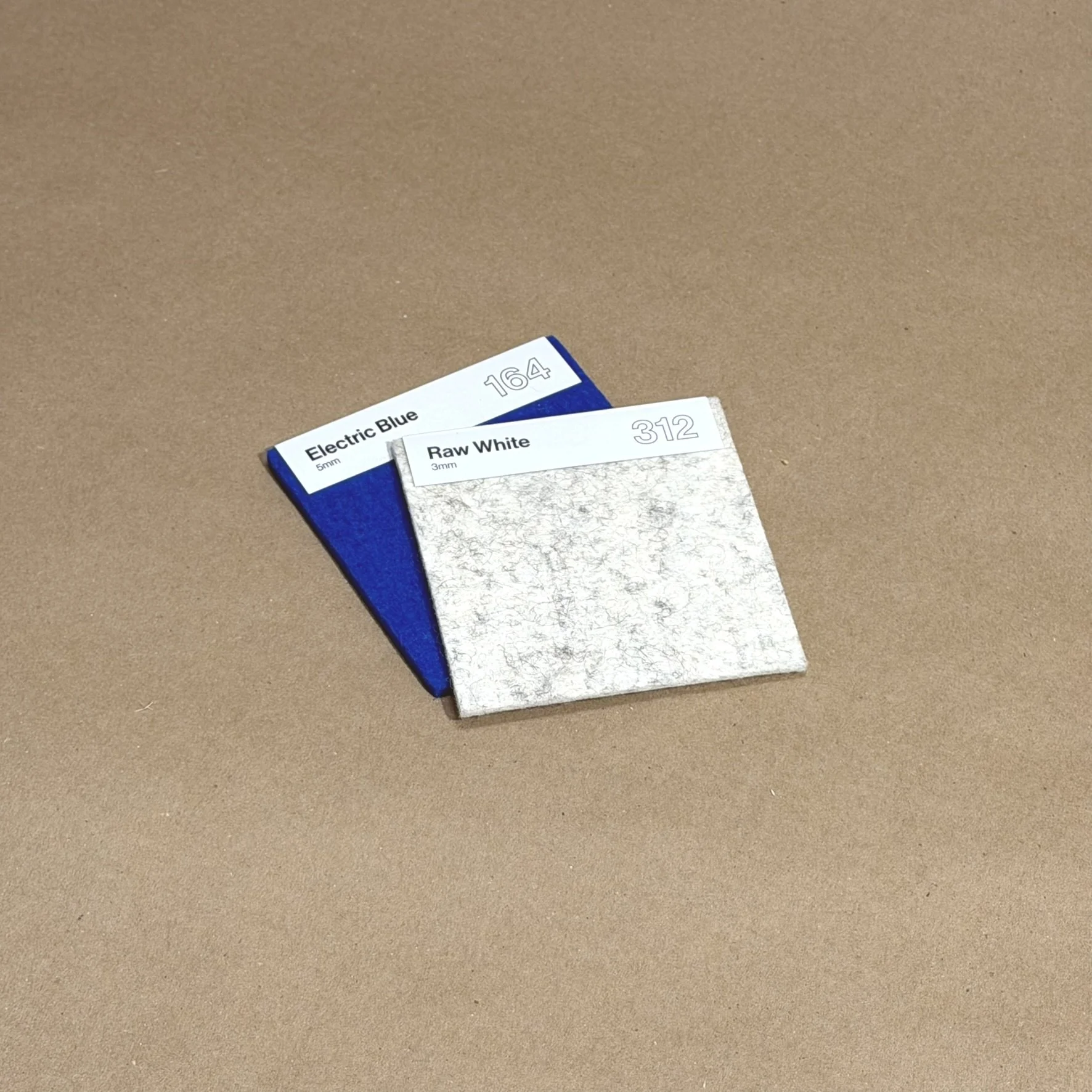
Interior Felt
Wool is one of the world’s oldest and most remarkable materials—naturally sound-absorptive, durable, and biodegradable. Interior Felt continues a four-generation legacy of perfecting wool felt, producing high-quality, 100% natural Designer Felt.
-
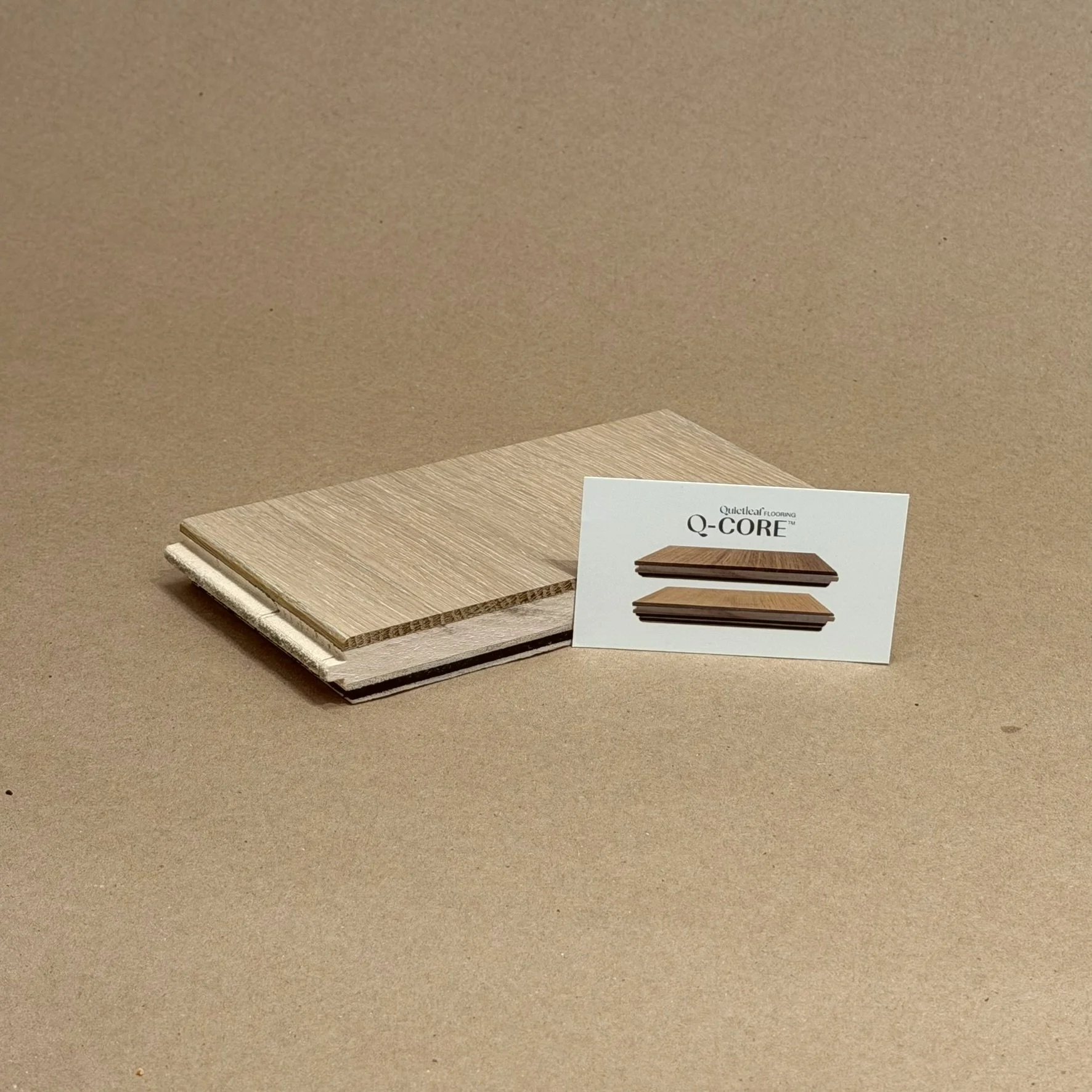
Quietleaf Flooring
Introducing the first-ever natural wood floors, beautifully crafted with the quiet built in. Acoustic layer made with recycled tires, wood is responsible sourced.
-
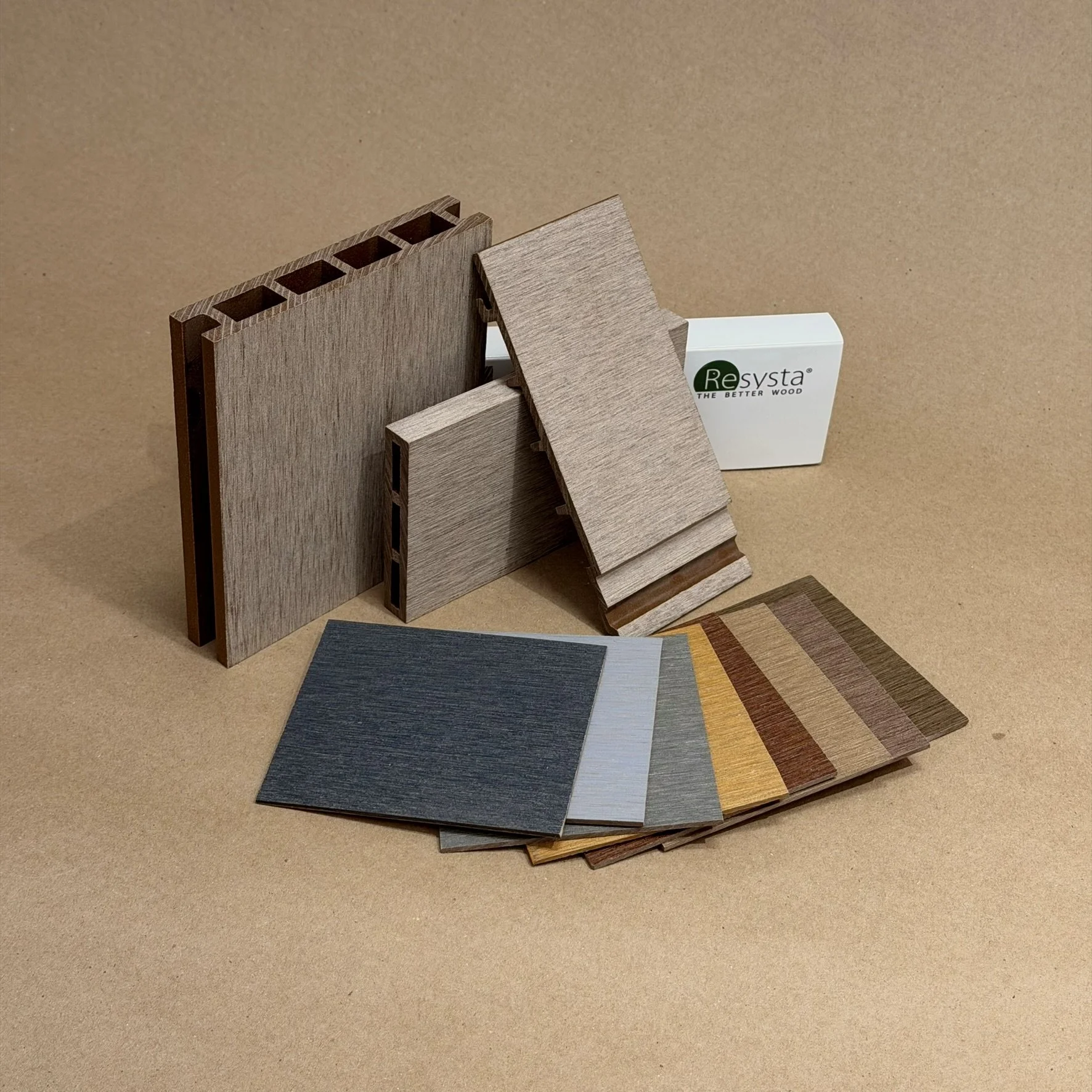
Resysta
Rice based composite cladding, decking, fencing, trellis, screen walls and ceilings. Made with agricultural by-product.
-
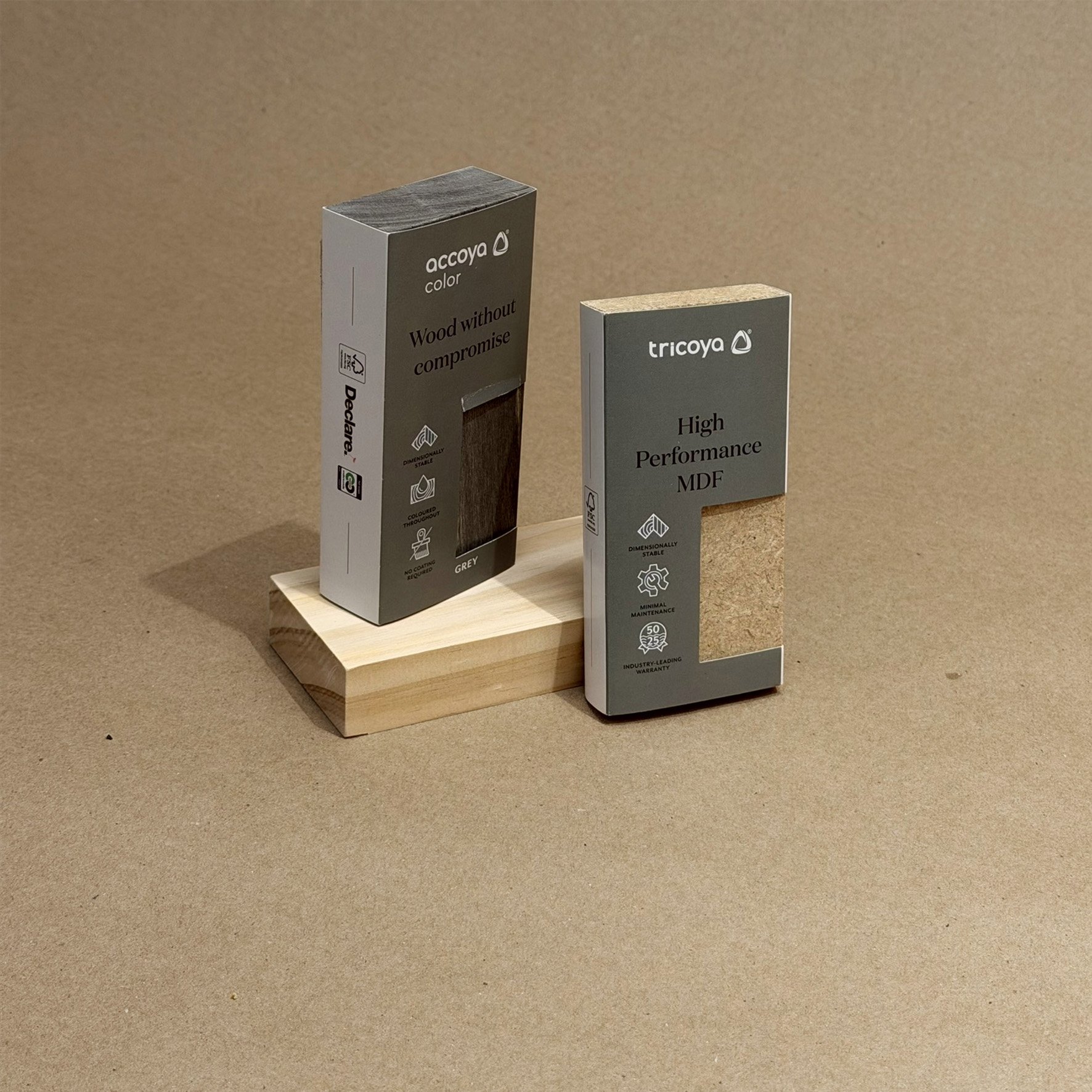
Accoya
Ultra-High Performance Sustainable Wood. Tried and tested in the US. Manufactured in Tennessee.
Siding, decking, windows and doors. No Added Formaldehyde (NAF) MDF sheet goods.
-
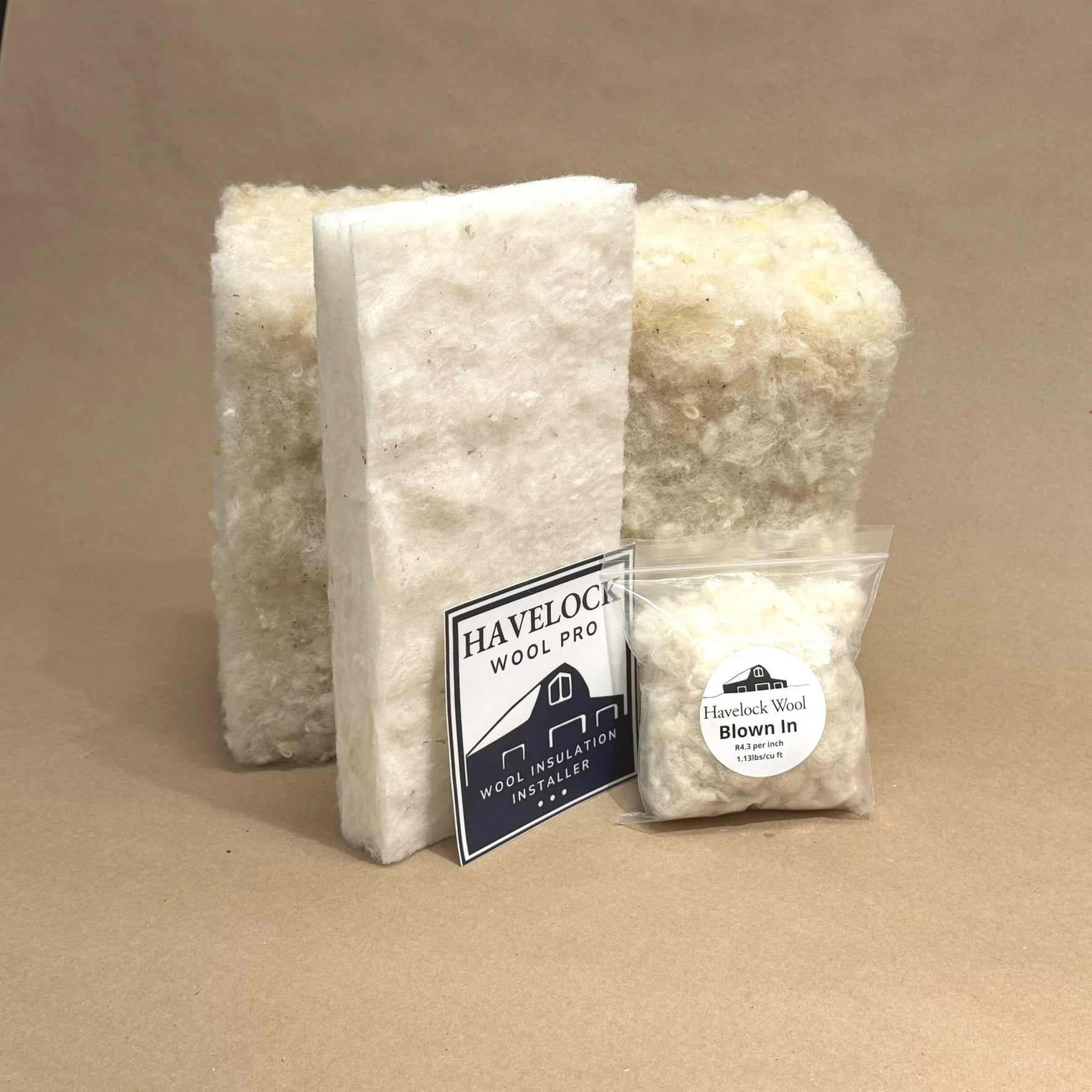
Havelock Wool
Versatile Wool Insulation
Havelock Wool delivers premium insulation for homes, vans, and commercial spaces—designed for lasting performance, unmatched comfort, and a lower environmental impact.
-
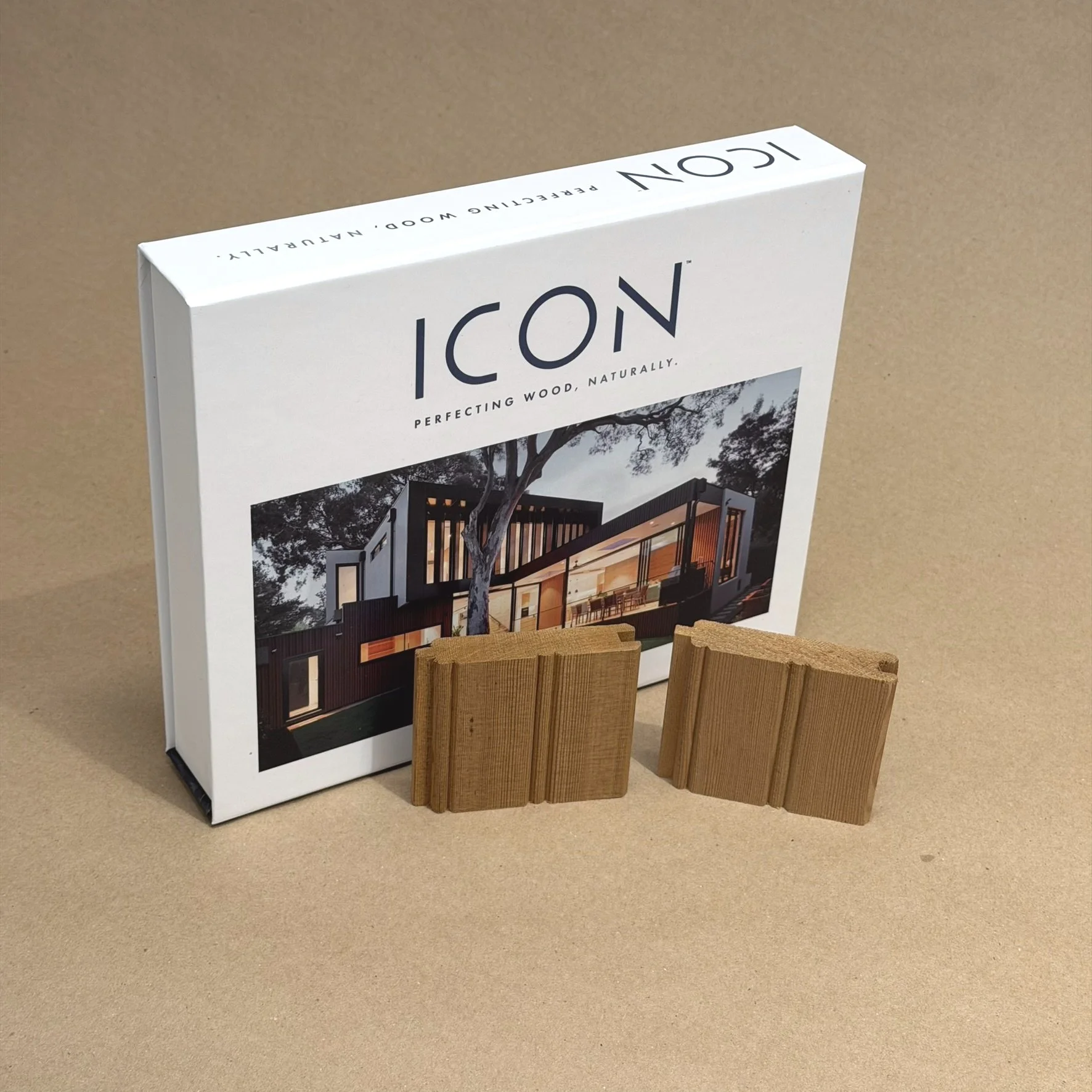
Timber Trading ICON
Perfecting wood, naturally.
A Premium Line of Thermally Modified Wood. Available in CVG Douglas Fir, Radiata Pine, Maple and Poplar.
-
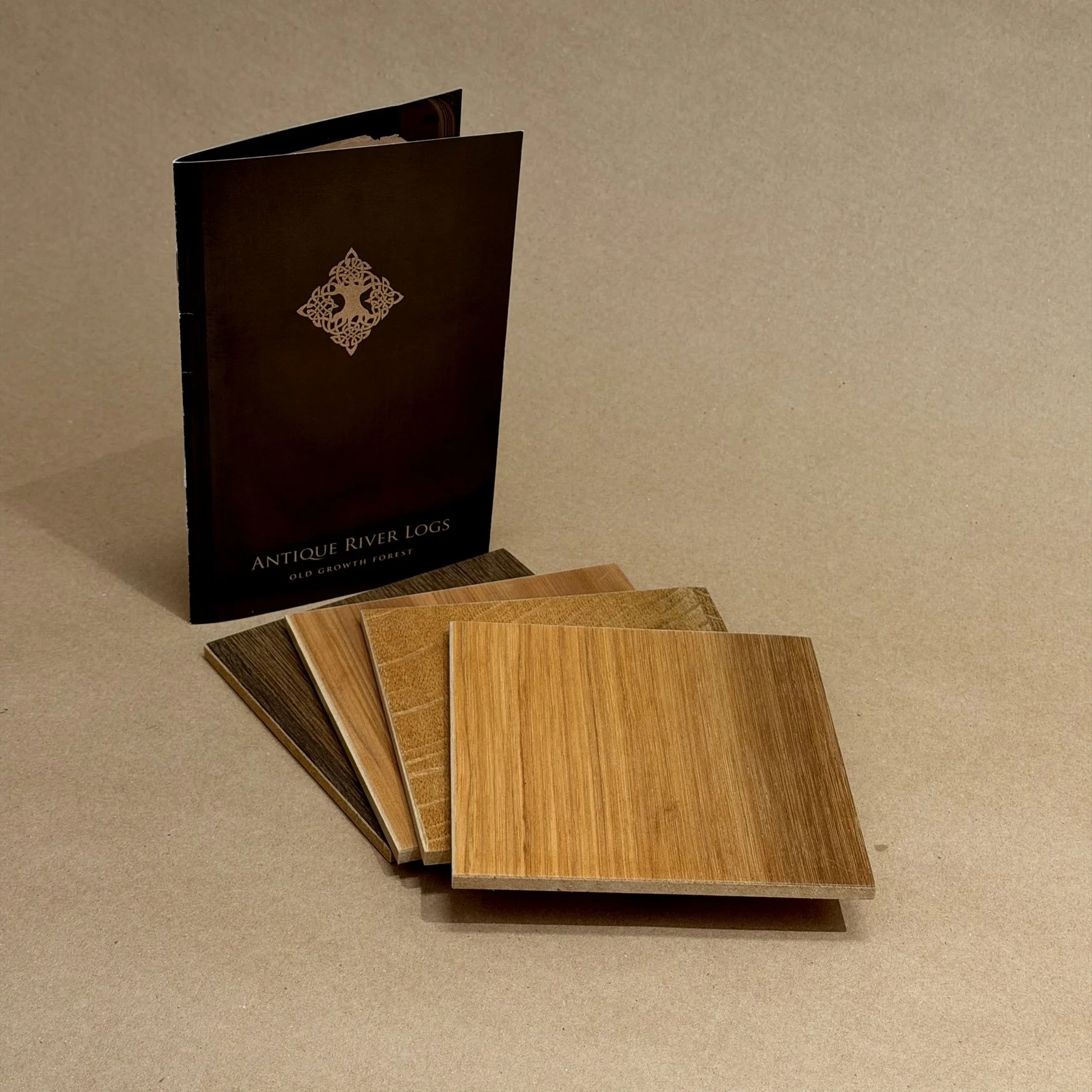
Antique River Logs
Antique River Logs® river-reclaimed wood is a remarkable story of old growth timbers, resting on river bottoms, preserved by deep, cold water, and a lack of oxygen and light.
-
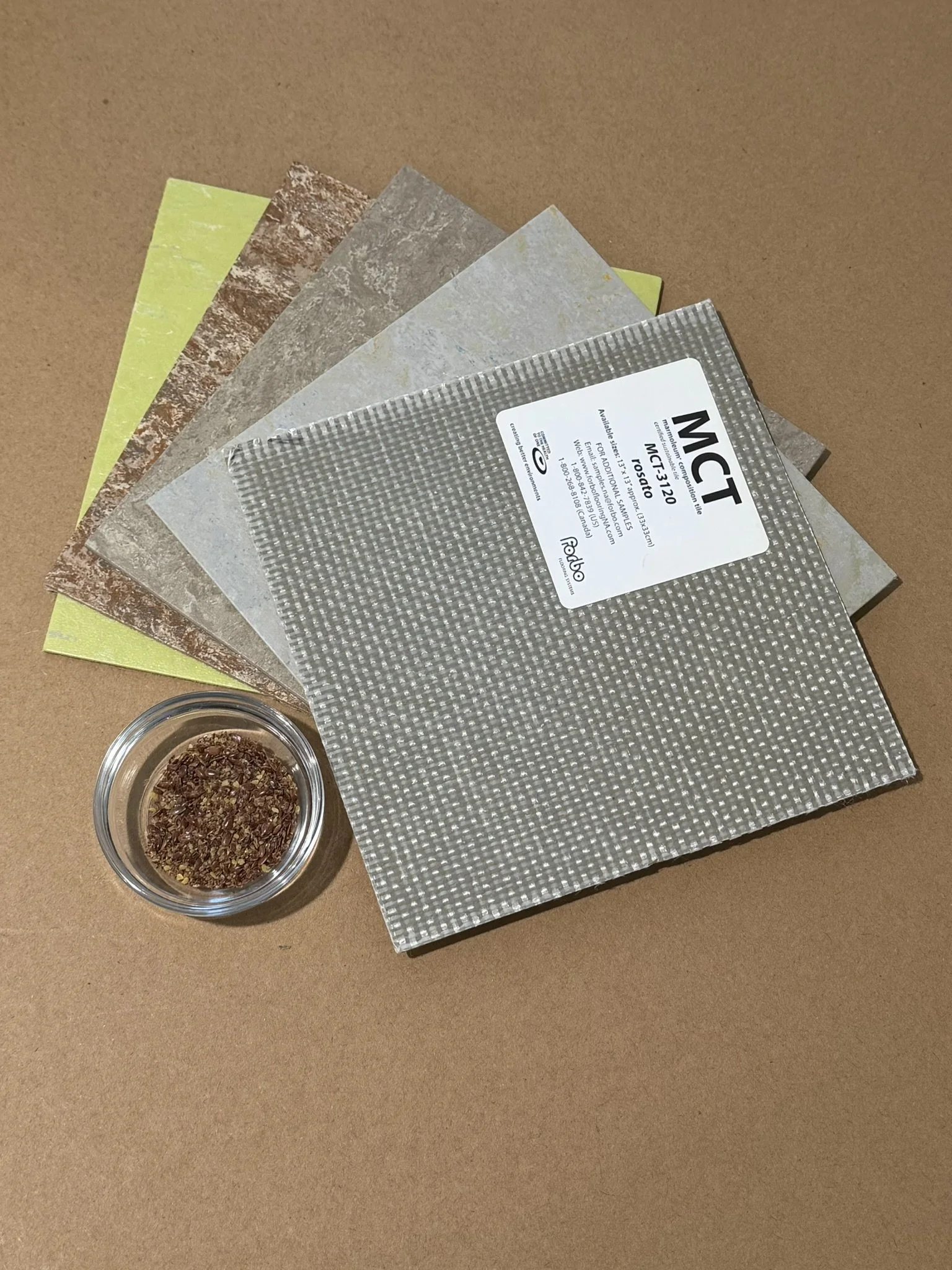
Marmoleum
A durable flooring option made of linseed oil and wood flour. Marmoleum comes in sheets or tiles and tons of colors.
Low Embodied Carbon Materials
-

Glavel
Made of 97% post-consumer recycled glass - this insulation replaces foam and gravel sub-slab.
-
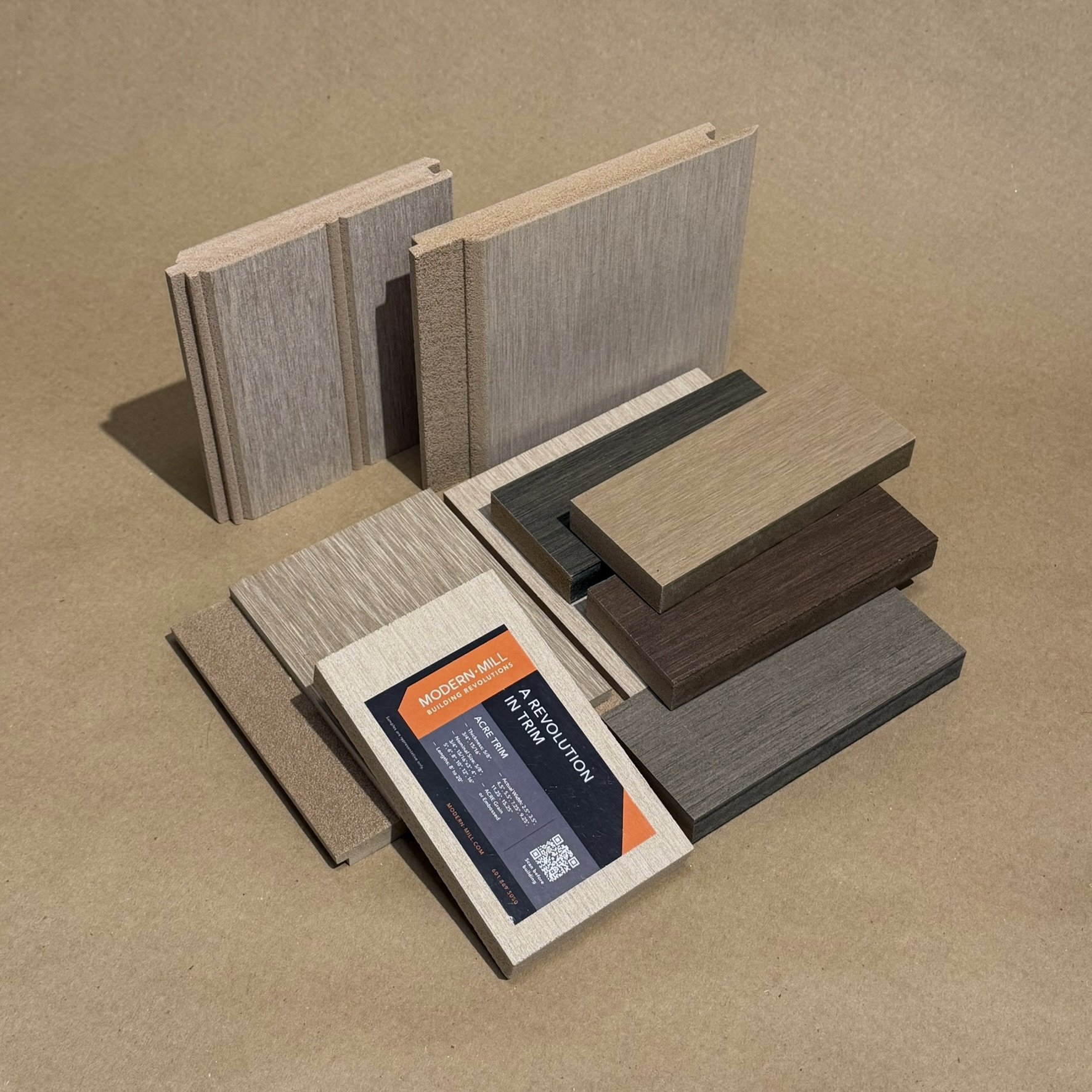
Modern Mill
Modern Mill upcycles rice hulls into premium building materials that can replace wood, offering durability and beauty while saving forests.
-

Propose an addition!
Materials are regularly updated - send an email if you have a favorite to add to the list.
Bio-Based Material Databases and Definitions
Currently, data is spread across industry experts. Atn is attempting to collect and communicate best practices sourced from across the world.
Bio-Based Materials
>
Bio-Based Materials >
Bio-Based Materials
>
Bio-Based Materials >
Definitions
>
Definitions >
Bio-Based Building Material
This is a big topic. The Bio-Based Materials Collective (BBMC) recently published a guide which includes dozens of metrics for how bio-based materials are defined.
Atn defines this as any materials which are produced in natural processes by living organisms but are not fossilized or derived from fossil resources. The material must have sequestered carbon from the atmosphere as it grew, and the production of the building material must largely maintain or store that carbon. The material might be purpose grown for the building product, or utilizing a waste-stream product, often agricultural.
Finally, the original biological materials must not be altered in a manner in which they will no longer be able to decompose at end of life, or otherwise be rendered inert. Petroleum and all petrol-derived building materials are not bio-based.
Low Upfront (Embodied) Carbon Material
For all our recycled and minerally derived friends! Atn uses this as a category for waste stream materials being utilized for new products. The use of recycled ocean plastic, or post-consumer glass require less energy to create than those that are mined, drilled or extracted from Earth. Also included in this category are biomass materials that are chemically altered or fused with raw materials or recycled materials in a way which would prevent future decomposition.
Embodied Carbon
“Embodied carbon refers to the greenhouse gas emissions arising from the manufacturing, transportation, installation, maintenance, and disposal of building and infrastructure materials. Embodied carbon is a significant percentage of global emissions and requires urgent action to address it.”
Upfront Carbon
A clarifying term being used in lieu of embodied because, as Lloyd Alter summaries,
“The carbon is not embodied; it’s in the air, and every tonne of it is banging up against the carbon budget.
This is why, from hereon in, I will be using the term “upfront carbon” because it is emitted upfront before a building is occupied, a car is driven off the dealer’s lot, or an iPhone is removed from its fancy plastic-free box. You could also call them “now” emissions vs “later” emissions; as architect Larry Strain noted in The Time Value of Carbon.”